Navigating Perspectives and Controversies in the Era of Industrial Automation Responsibility
Category : | Sub Category : Posted on 2024-11-05 22:25:23
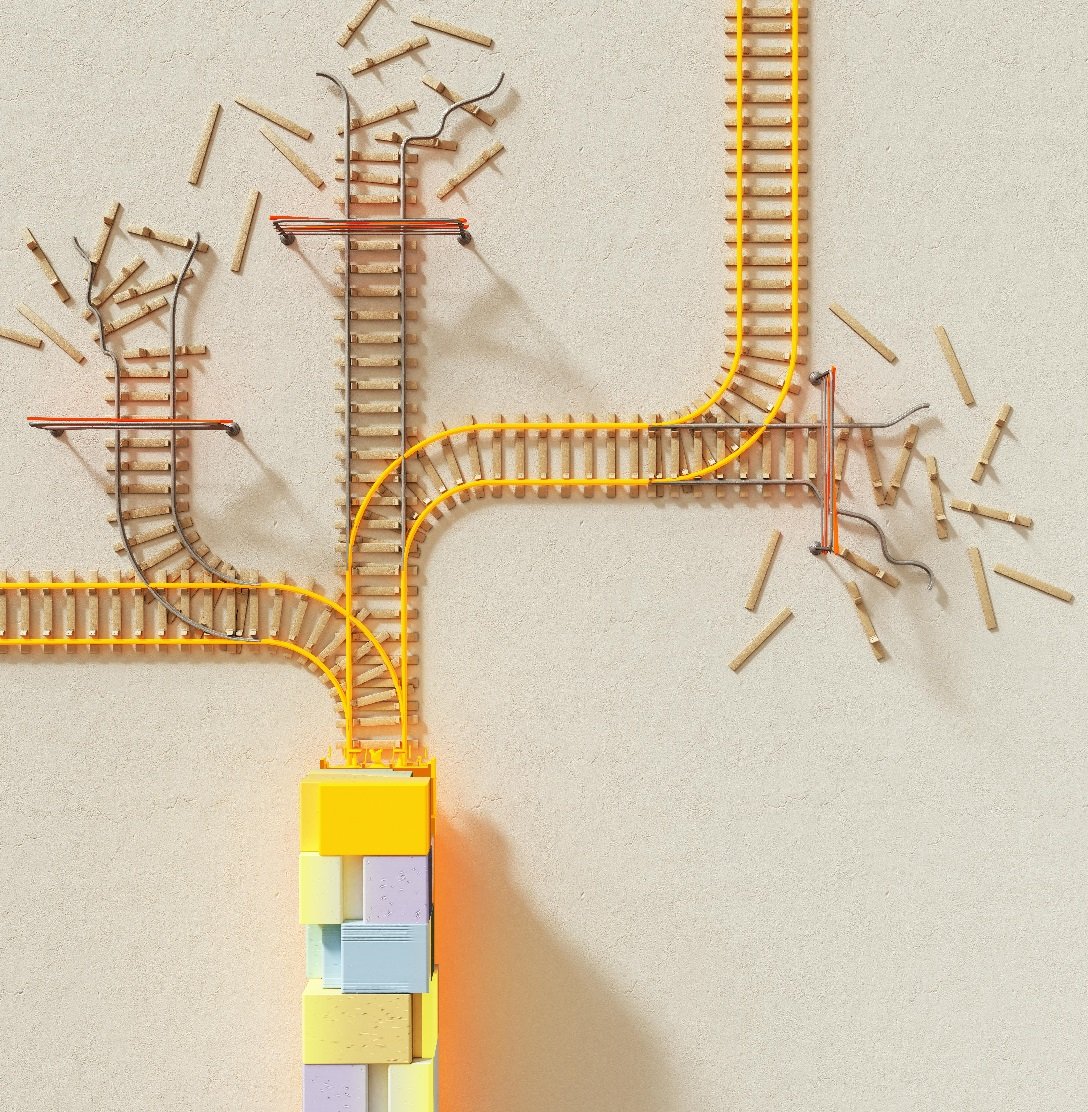
In today's fast-paced world, industrial automation has become a cornerstone of modern manufacturing processes. By integrating advanced technologies such as robotics, artificial intelligence, and internet of things (IoT), industries have been able to streamline operations, increase efficiency, and improve productivity. However, as automation continues to revolutionize the way we work, it has also sparked conversations around responsibility and the ethical implications of its widespread adoption. One perspective on the issue of responsibility in industrial automation revolves around the potential impact on the workforce. Critics argue that increased automation in factories and plants may lead to job displacement, as machines take over tasks traditionally performed by humans. This raises concerns about the need for companies to provide retraining programs and support for affected employees to ensure a smooth transition in the face of automation. On the other hand, proponents of industrial automation emphasize its capacity to create new job opportunities and enhance workplace safety. By delegating repetitive and hazardous tasks to machines, workers can be freed up to focus on more complex and creative responsibilities. Automation can also lead to higher product quality, lower production costs, and faster turnaround times, all of which can ultimately benefit both businesses and consumers. Another contentious issue surrounding responsibility in industrial automation is the ethical considerations of AI and autonomous systems. As machines become more sophisticated and capable of independent decision-making, questions arise about accountability and liability in the event of errors or accidents. Who is responsible when an autonomous robot makes a mistake on the factory floor? How can we ensure that AI systems make ethical judgments in line with human values? One proposed solution to address these challenges is the implementation of comprehensive guidelines and regulations governing the development and deployment of industrial automation technologies. By establishing clear frameworks for ethical AI, data privacy protection, and worker safety standards, industries can proactively address potential risks and ensure responsible practices across the board. In conclusion, the rise of industrial automation presents a complex landscape of perspectives and controversies regarding responsibility. While the technology offers tremendous opportunities for innovation and efficiency gains, it also raises important questions about its social, economic, and ethical implications. By engaging in open dialogue, collaborating with stakeholders, and prioritizing ethical considerations, we can navigate the challenges of industrial automation responsibly and pave the way for a more sustainable and inclusive future.
Leave a Comment:
SEARCH
Recent News
- Understanding Women's Fatigue: Statistics, Responsibility, and Empowerment
- **The Double Burden: Navigating Women, Fatigue, and Work Responsibilities in Spain**
- Women's Fatigue and Balancing Responsibilities in Zurich, Switzerland
- The Realities of Women Balancing Fatigue, Responsibilities, and Running a Successful YouTube Channel
- Overcoming Women's Fatigue: Balancing Responsibilities, Work, and Skills Development
- Understanding Women's Fatigue from Juggling Responsibilities: Helpful Websites to Ease the Burden
- Understanding Women's Fatigue: The Impact of Responsibility in Warsaw, Poland
- Managing Fatigue in Women: The Role of Responsibility and Vitamin C-Rich Fruits
READ MORE
1 year ago Category :

Understanding Women's Fatigue: Statistics, Responsibility, and Empowerment
Read More →1 year ago Category :

**The Double Burden: Navigating Women, Fatigue, and Work Responsibilities in Spain**
Read More →1 year ago Category :

Women's Fatigue and Balancing Responsibilities in Zurich, Switzerland
Read More →1 year ago Category :
